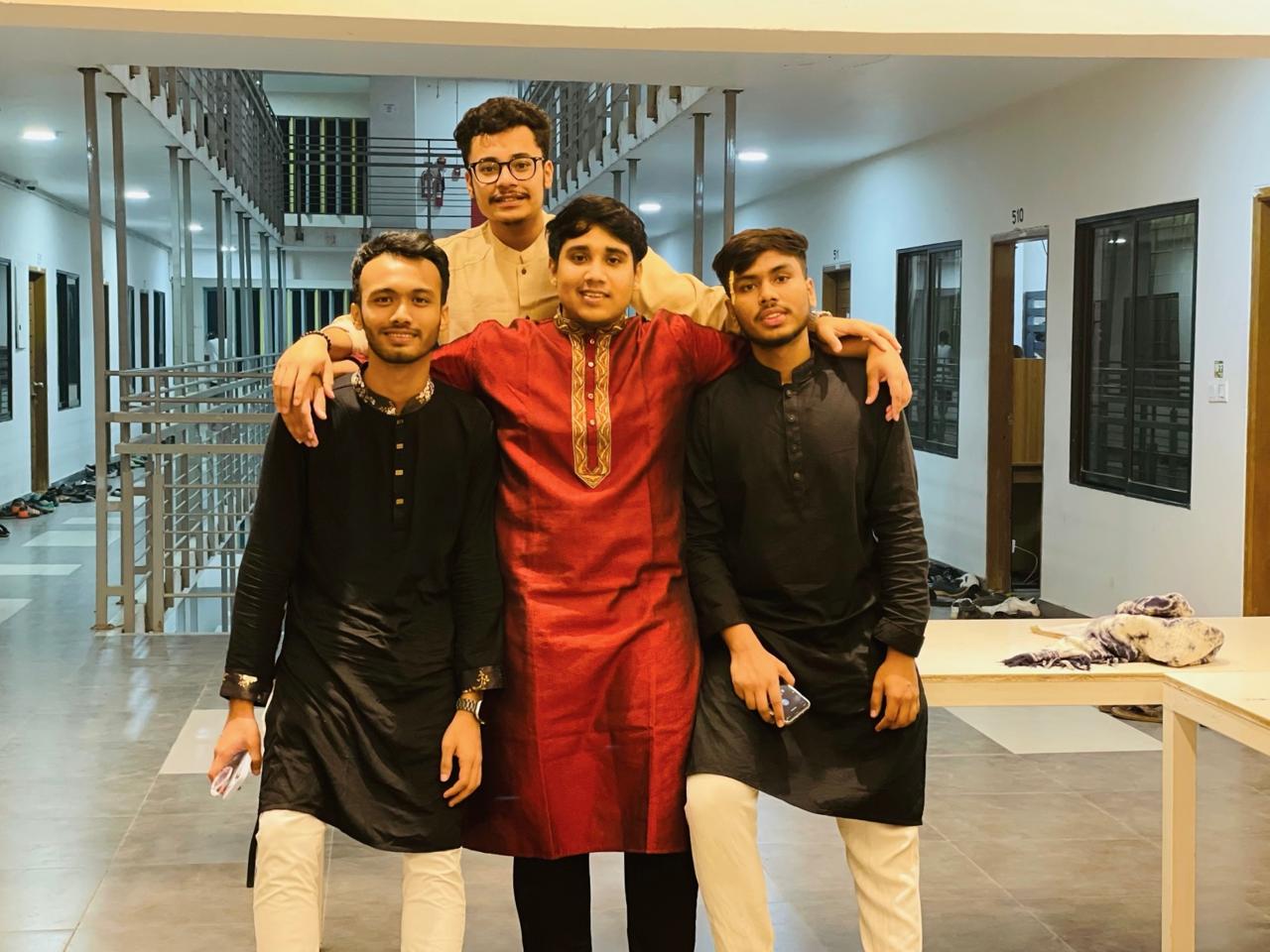
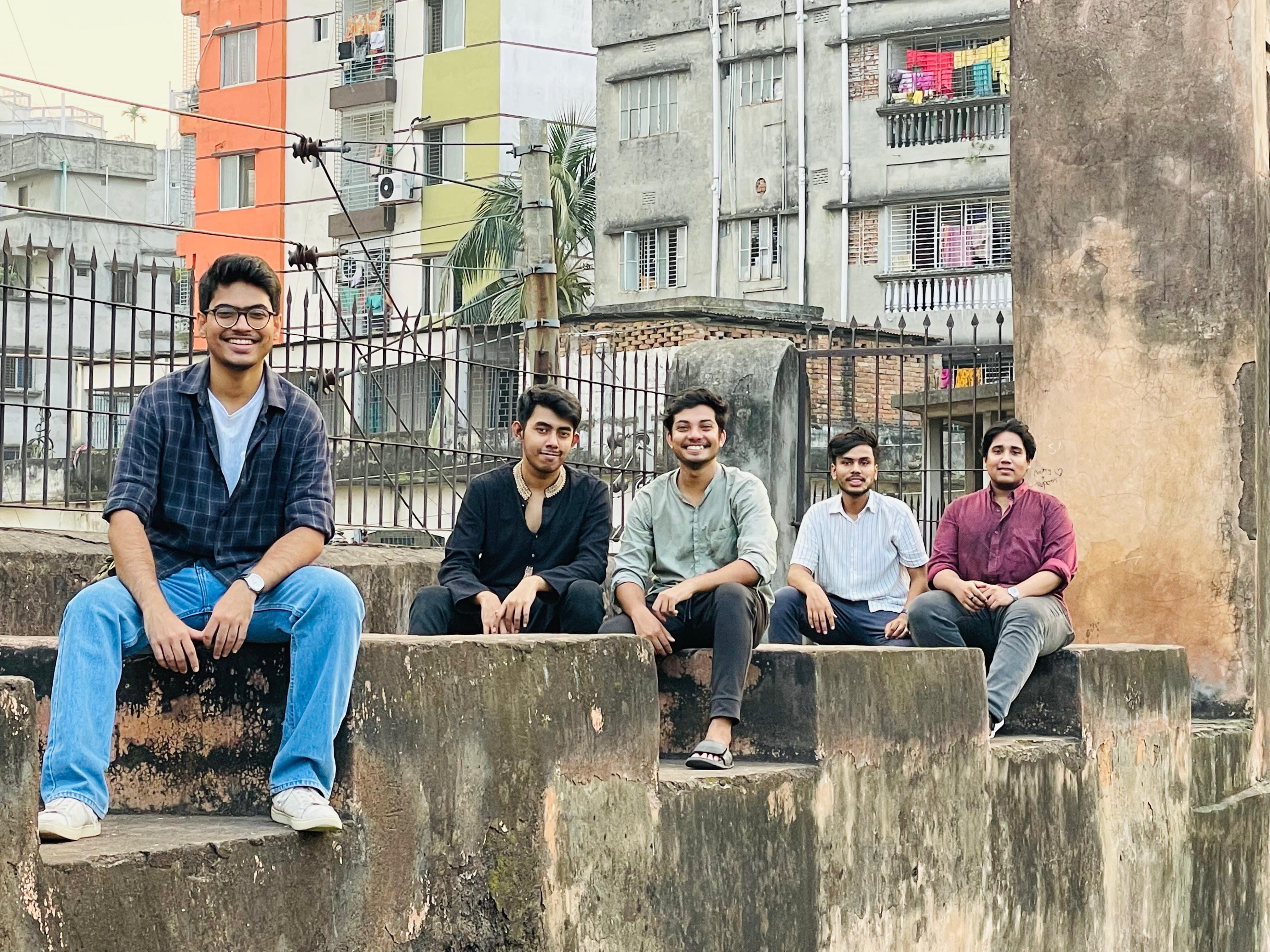
Salman Farsi
AI & Robotics Builder · Autonomous Systems · Physical Intelligence · Edge AI
Building reliable intelligent systems at the intersection of AI reasoning, autonomous systems, robotics, and edge computing.

About
Building software and intelligent systems that works, systems that think, and tools that ship.
I am interested in the hardest version of every problem I touch.
Not AI in the abstract, but AI that has to make decisions in physical environments, where the cost of being wrong is not a lower accuracy score, but a machine going somewhere it should not. Not software that works in a demo, but software that holds together under real users, real data, and the edge cases nobody thought to write a test for. Not intelligence at scale, but intelligence under constraint, running on hardware that costs almost nothing, in conditions where you cannot simply call a server.
I study Computer Science and Engineering at BRAC University in Dhaka, and my work spans software architecture and system design, machine learning and autonomous systems, robotics, and embedded computing. I move across these areas not because I lack focus, but because the problems I care about exist precisely at their boundaries. Building something that genuinely works requires understanding the entire stack: from the model to the hardware it runs on, from the algorithm to the system around it, and from the backend to the interface a real person ultimately has to use.
What I Work On
My current focus is reliable intelligent systems, particularly where AI has to reason, act, and operate under real-world constraints.
What holds my attention in AI is not simply capability. Models can already reason, perceive, generate, and plan at levels that would have seemed unreachable a few years ago. The harder question is reliability.
How do you build an AI system that behaves consistently, fails gracefully, and can be verified before it does something consequential? How do you keep reasoning and physical action aligned inside an autonomous pipeline? How do you design systems where one model can meaningfully audit another?
These are as much engineering questions as research questions, and they remain difficult problems in real-world AI. That gap is where I choose to work.
Autonomous Systems & Robotics
Autonomous systems interest me because they remove the comfortable assumption that a human is always in the loop.
A language model that produces a slightly wrong answer is inconvenient. An autonomous system that produces a slightly wrong action in a physical environment is a fundamentally different problem.
Working in that space requires thinking across perception, reasoning, planning, control, and feedback rather than treating them as isolated components. My work in autonomous driving, Vision-Language-Action systems, reinforcement learning, and robotics comes from that interest: understanding how intelligent systems can move from perception and reasoning to actions that are actually consistent, executable, and safe.
Software & Systems Engineering
On the software engineering side, I think about architecture the way a structural engineer thinks about load.
Systems that feel clean when you build them and stay clean as they grow are not accidents. They are the result of deliberate decisions about how data flows, how components communicate, how failures propagate, and how the system behaves when reality diverges from the original design.
Reliability is not a feature you add at the end. It is a property you either design in from the beginning or spend the rest of the project trying to recover.
That mindset influences how I approach everything from software architecture and backend systems to AI pipelines and embedded applications.
Beyond Engineering
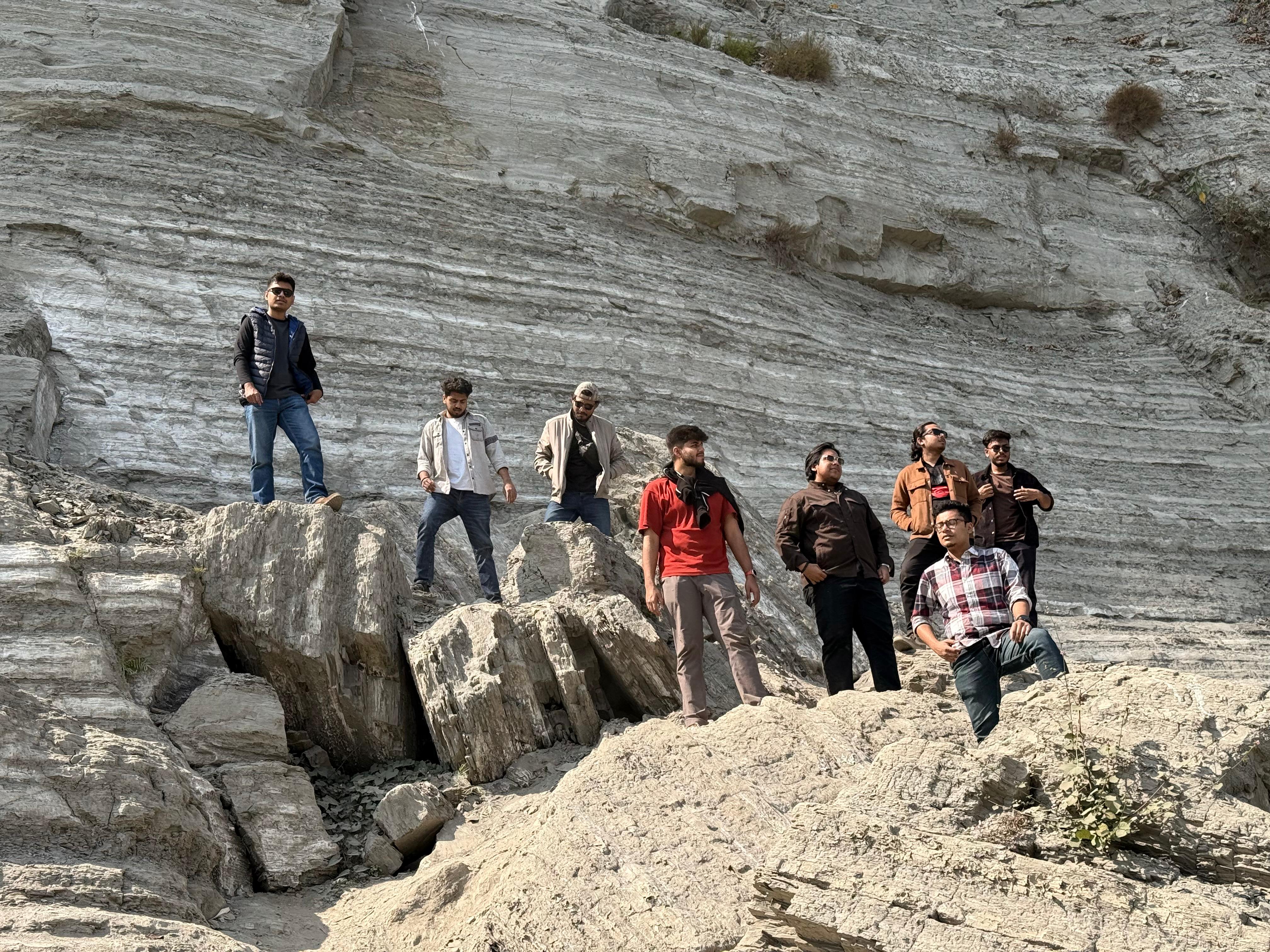
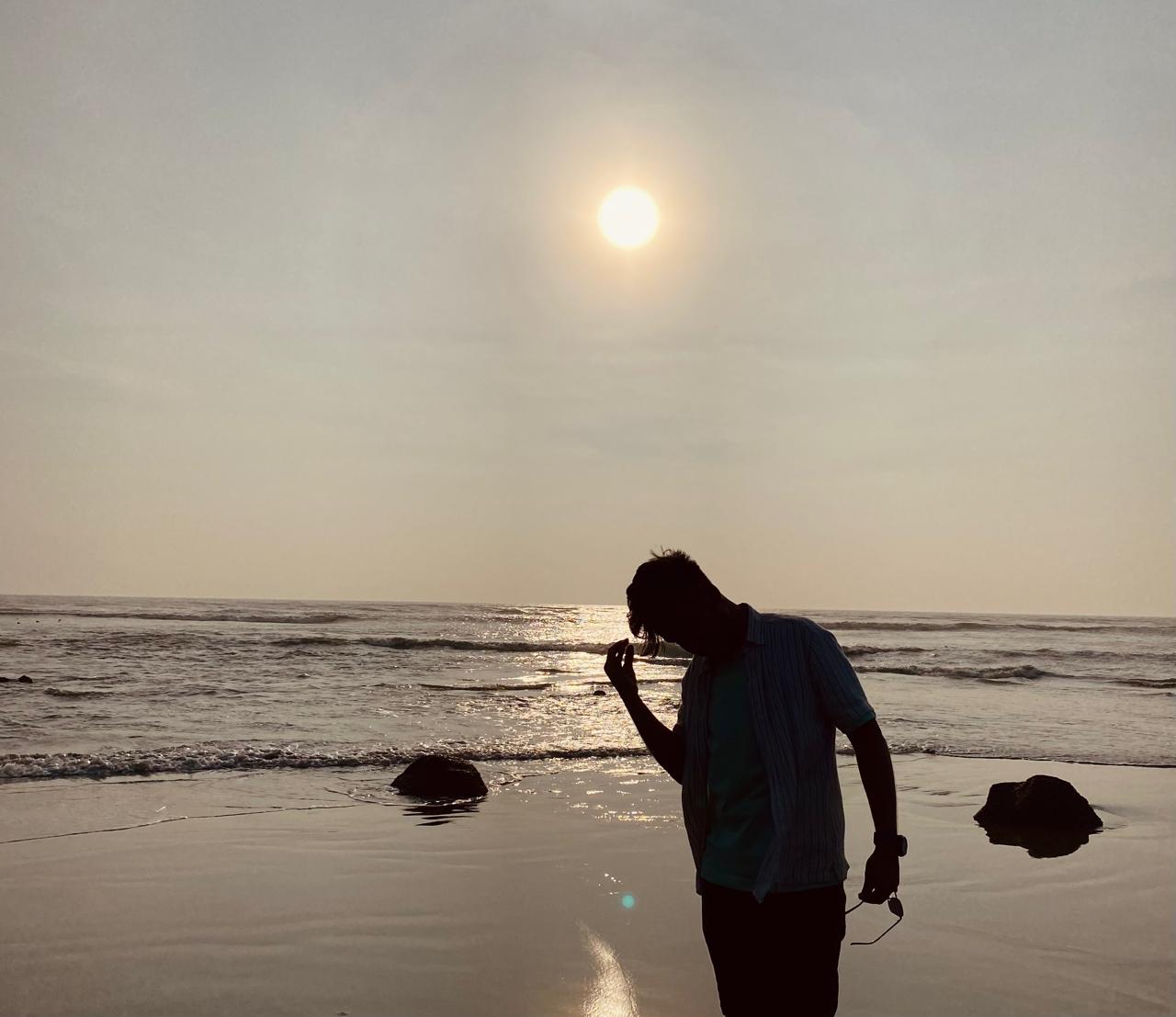
Outside engineering, I shoot photography, travel whenever I can, and hike.
Being somewhere unfamiliar and moving through it slowly—whether with a camera or on a trail—trains a kind of attention that I find valuable in engineering as well. You notice what changes, what does not, what you initially overlooked, and what only becomes visible when you stop moving too quickly.
I think good engineering requires much the same thing:
curiosity, patience, and the willingness to look closely at what everyone else has overlooked.
Background
Experience & education.
Contributor
BRACU Mongol-Tori · Dhaka, Bangladesh
Contributed to BRAC University's Mars rover team
Junior Member
BRACU DUBURI · Dhaka, Bangladesh
Participated as a Junior Member of BRAC University's autonomous underwater vehicle team, contributed to the testing sessions during the vehicle development process.
Senior Executive of Research and Project Management
ROBU-Robotics Club of BRAC University · Dhaka, Bangladesh
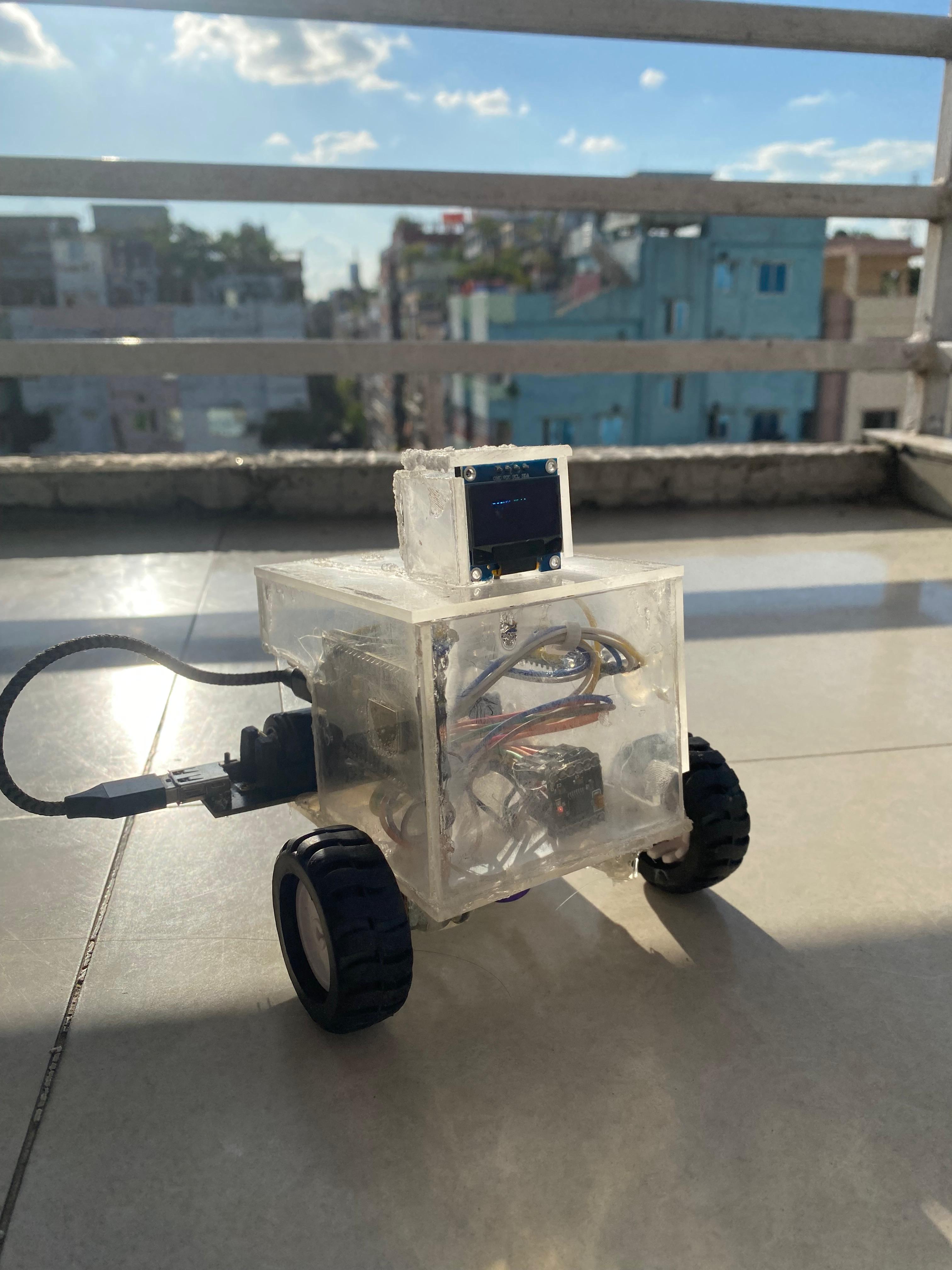
Served as a senior executive overseeing research initiatives and project management within the club, working closely with student members across various robotics and engineering activities. Conducted sessions and workshops on robotics concepts, helping members build foundational knowledge in embedded systems, autonomous systems, and applied engineering.
Junor Executive of HRM
Art and Photography Society- BRAC University
Managed human resource functions within the society, coordinating member engagement and supporting the organizational operations of one of BRAC University's creative communities. Photography being a personal interest made this a natural space to contribute.
BSc in Computer Science & Engineering
BRAC University · Dhaka, Bangladesh
Studying the full depth of computer science and engineering, from software systems and algorithms to artificial intelligence, robotics, and autonomous computing. Pursuing an undergraduate research direction focused on reliable AI systems, autonomous vehicles, and the intersection of intelligent software with the physical world.
Work
Selected projects.
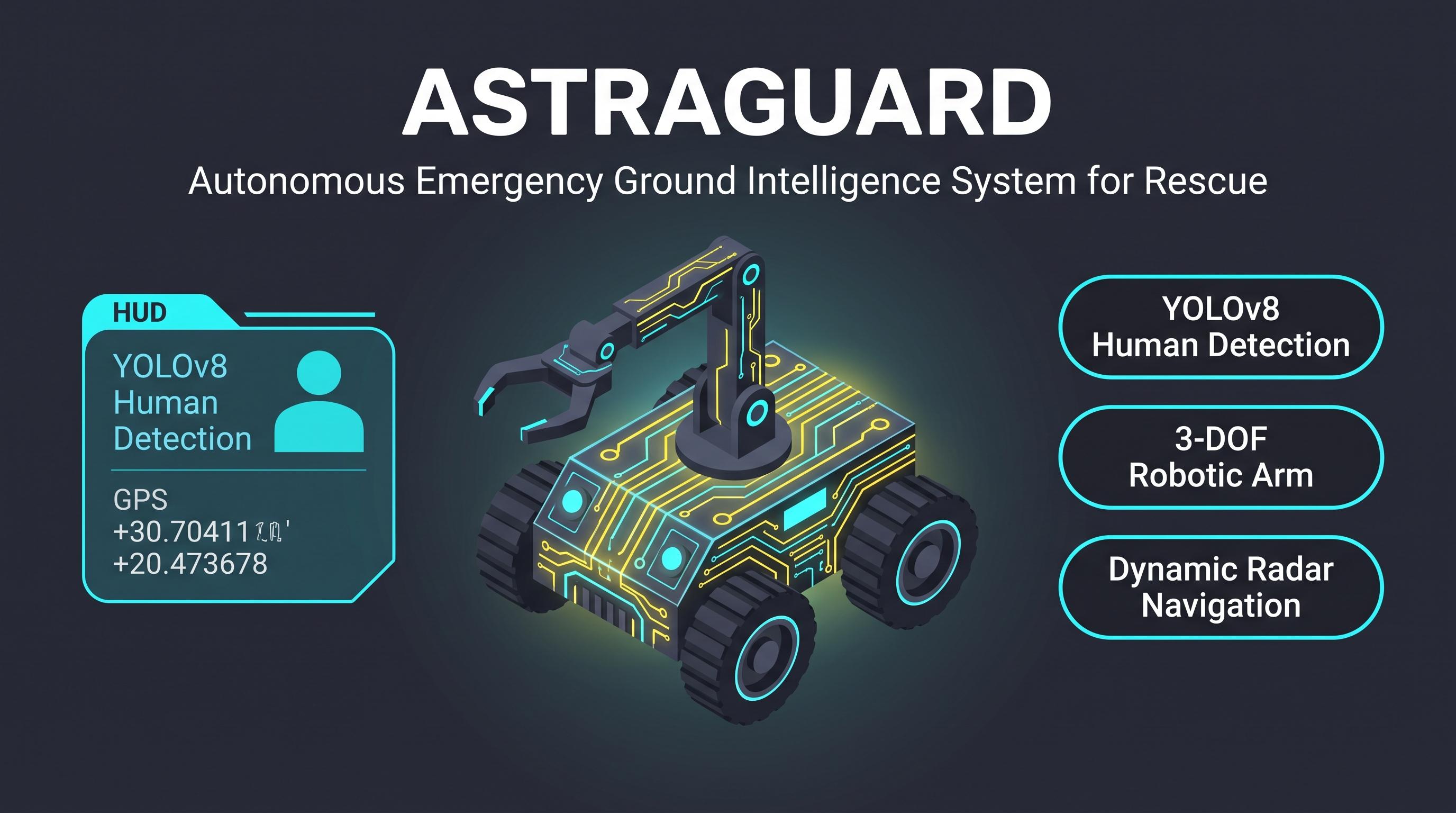

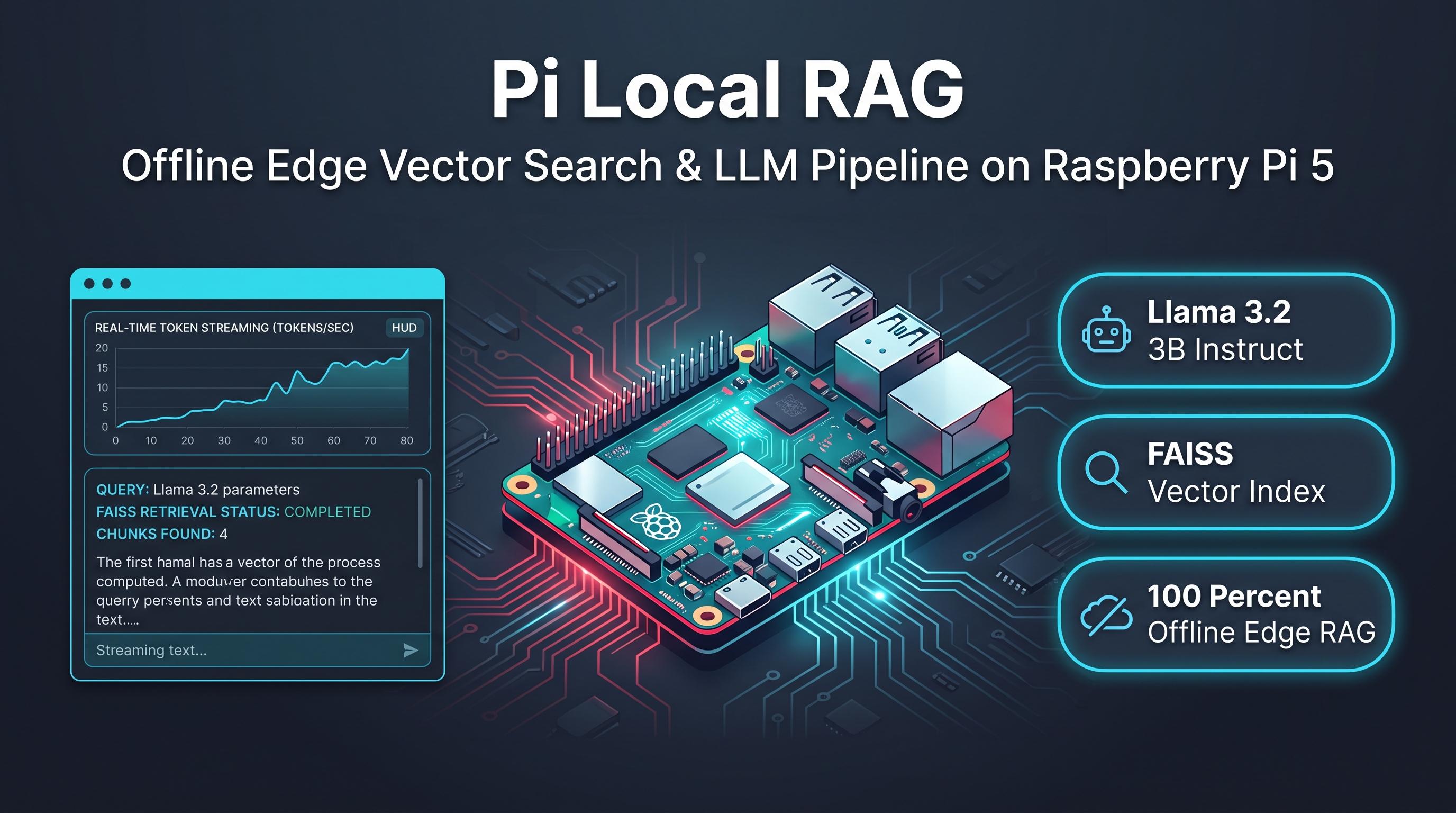
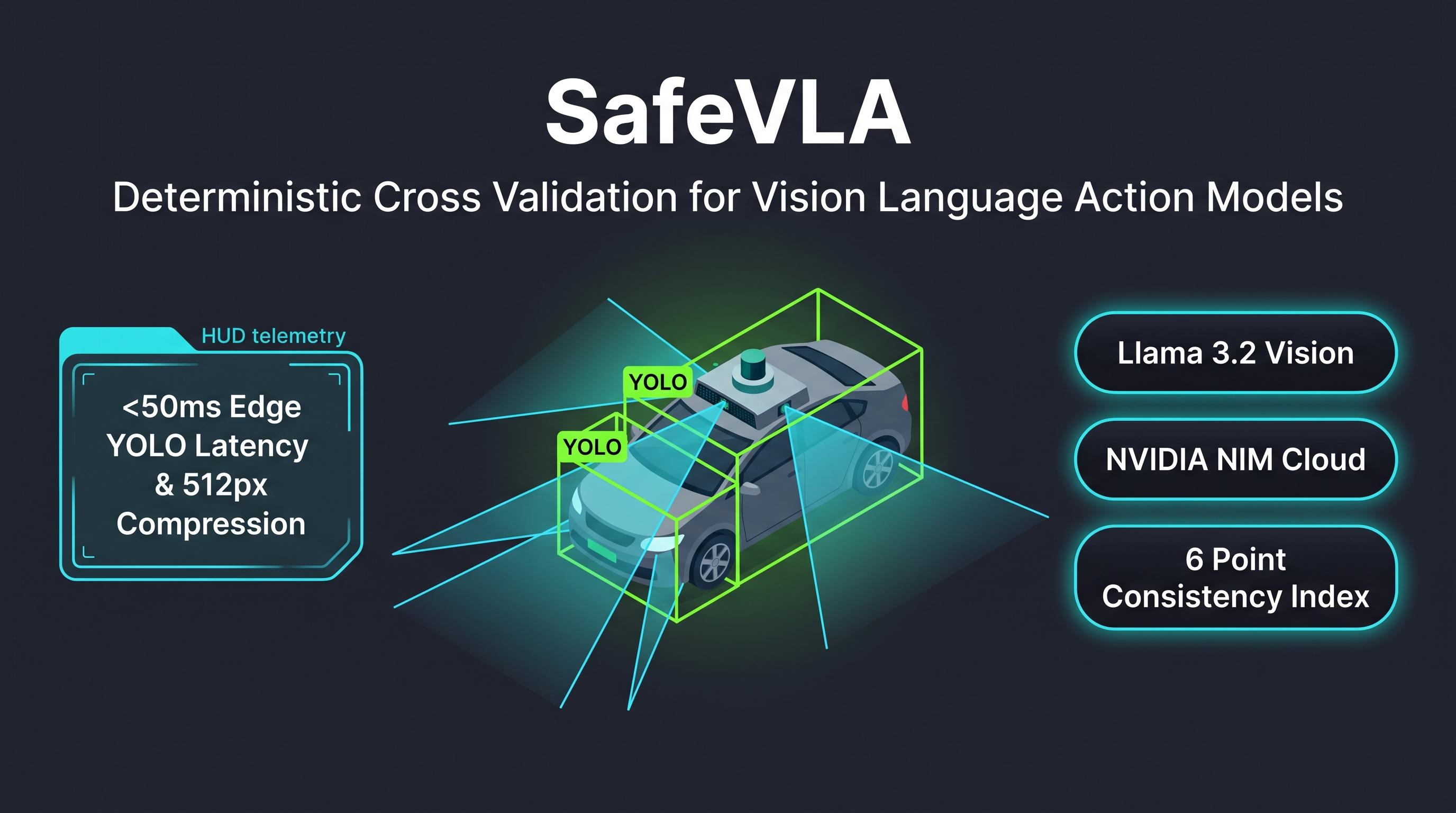
Skills & tools.
AI & Machine Learning
Reinforcement Learning (DDPG, GRPO)
Deep Learning and Neural Networks
Computer Vision (YOLOv4, OpenCV)
TensorFlow and Keras
Large Language Models and LLM Inference
Multi-Agent AI Systems
RAG (Retrieval Augmented Generation)
Model Quantization and Compression
Vision Language Action Models
Robotics & Autonomous Systems
Autonomous Driving Systems
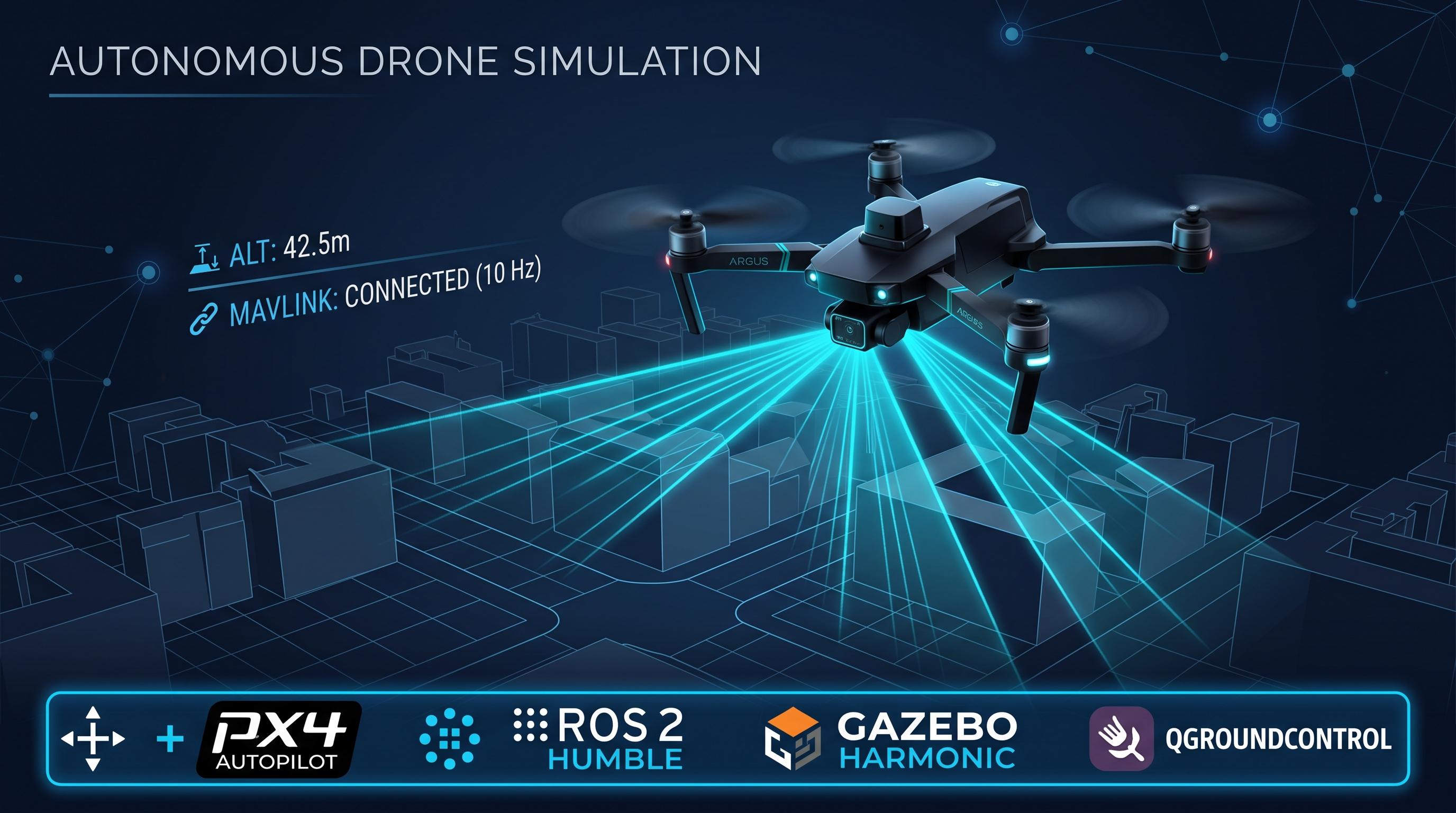
ROS 2
PX4 Autopilot and Drone Flight Control
Gazebo and CARLA Simulation
MAVROS and MAVLink
QGroundControl and Mission Planning
Arduino, ESP, STM32
Raspberry pi in Robotics Nav
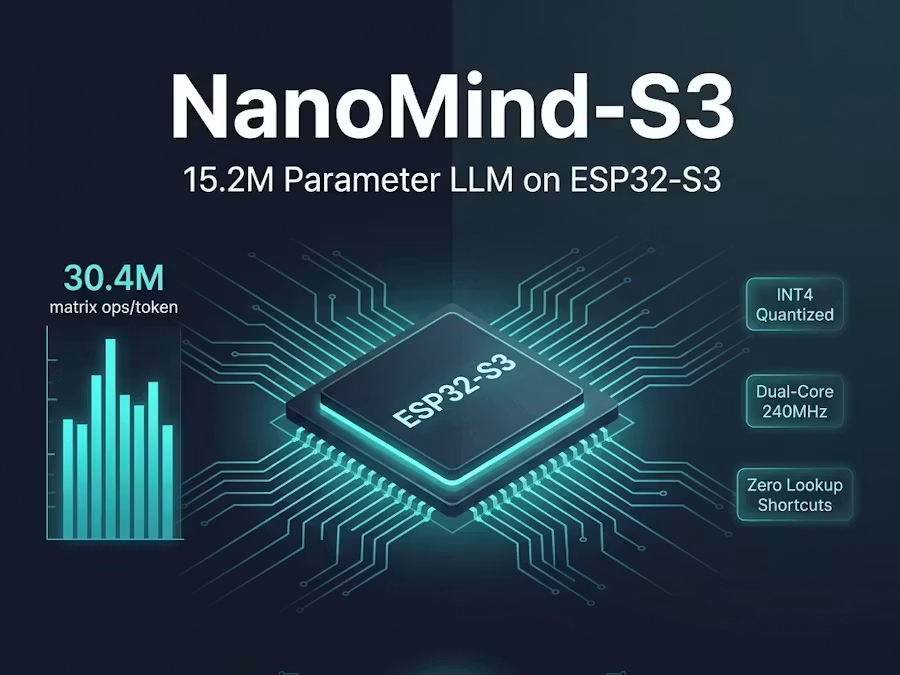
Bare-metal C Firmware (ESP32-S3 / ESP-IDF)
Edge AI and On-Device Inference
Languages and Web
Python
C/C++
PHP
HTML / CSS
SQL
Flask
Laravel
REST API Design and Integration
Others
Technical Research and Proposal Writing
System Architecture and Design
Open-Source Project Management
Technical Documentation
Research
Papers & writing.
This is an ongoing group research project and undergraduate thesis currently in active development. The work sits at the intersection of Vision-Language-Action architectures, autonomous driving, and AI reliability. VLA models have shown significant promise in enabling agents to perceive multimodal environments and follow natural language instructions to produce control outputs. However, a class of fundamental problems remains open around whether the reasoning these models produce is actually connected to the actions they take, and whether their behavior holds up under varied, imperfect, or ambiguous instructions. Our research investigates these problems in the context of autonomous driving, where the gap between what a model reasons and what it physically executes has direct safety implications. The work combines elements of reinforcement learning, imitation learning, and multimodal instruction following, with an evaluation framework covering instruction adherence, policy robustness, and generalization across different input conditions. A secondary objective is to demonstrate feasibility on a physical robotic vehicle as a simulation-to-real transfer example, connecting simulation-based VLA research to deployable autonomous systems. The full methodology and results will be disclosed upon completion of the research.
ResearchingBlog
Notes & writeups.
Off duty
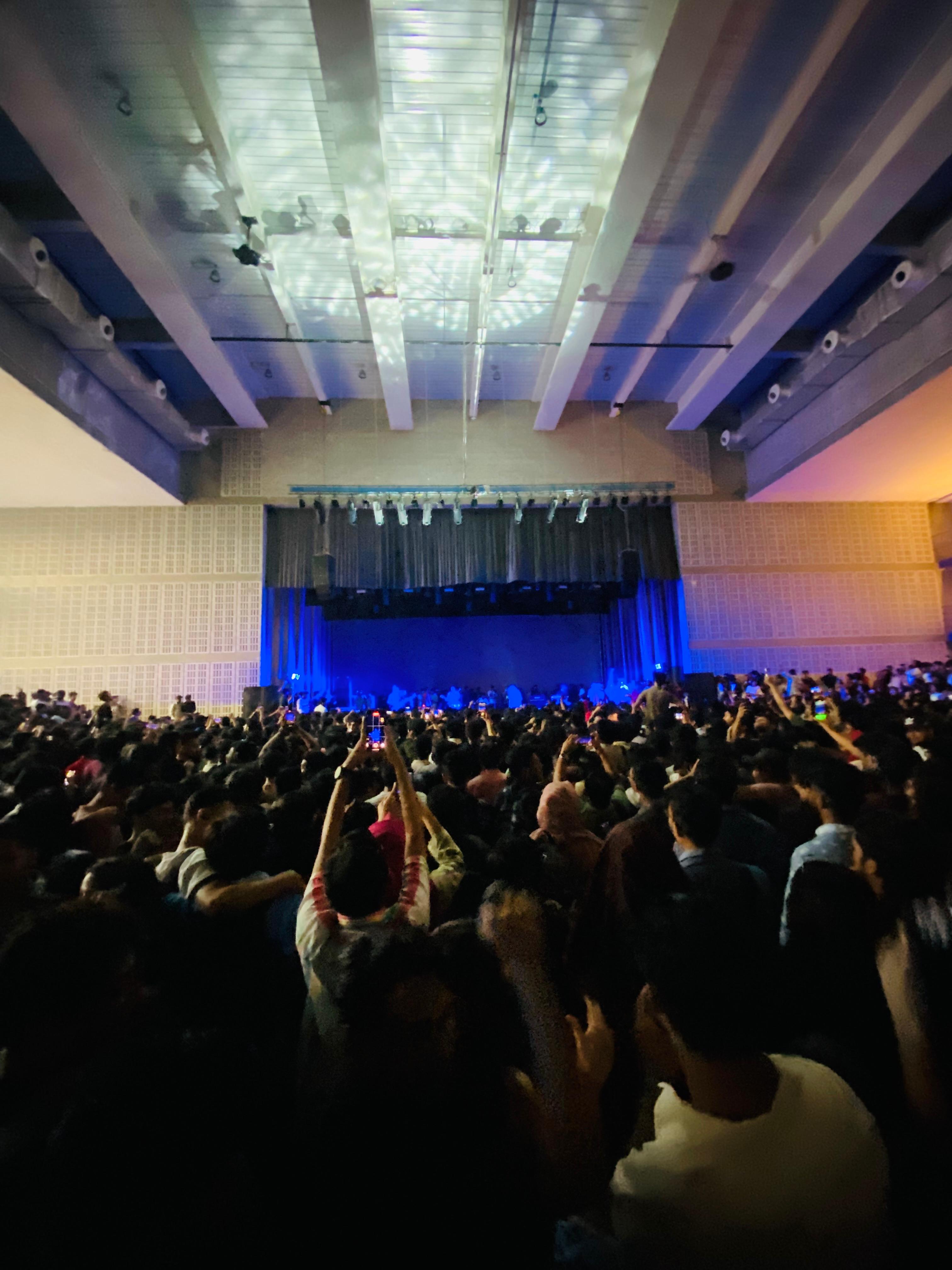
Fun & adventures.